The first thing to know about wild camping in a motorhome is that it is illegal to wild camp anywhere in the UK (including Scotland). You might be wondering why we’re writing a guide about wild motorhome camping if you can’t do it, however, this guide will include the ways you can get a “wild camping” experience respectfully and without breaking any laws.
Currently, wild camping is being actively discouraged due to irresponsible camping in beauty spots across the country which is causing damage to local nature and wildlife. Much of this is due to the increase in people staying in the UK for their holiday as a result of international travel restrictions and using a leisure vehicle or tent to do so.
This guide will tell you how to follow the wild camping code and stay in line with guidance. If you are looking to find a more secluded spot for your holiday this year, then read on.
What is wild camping?
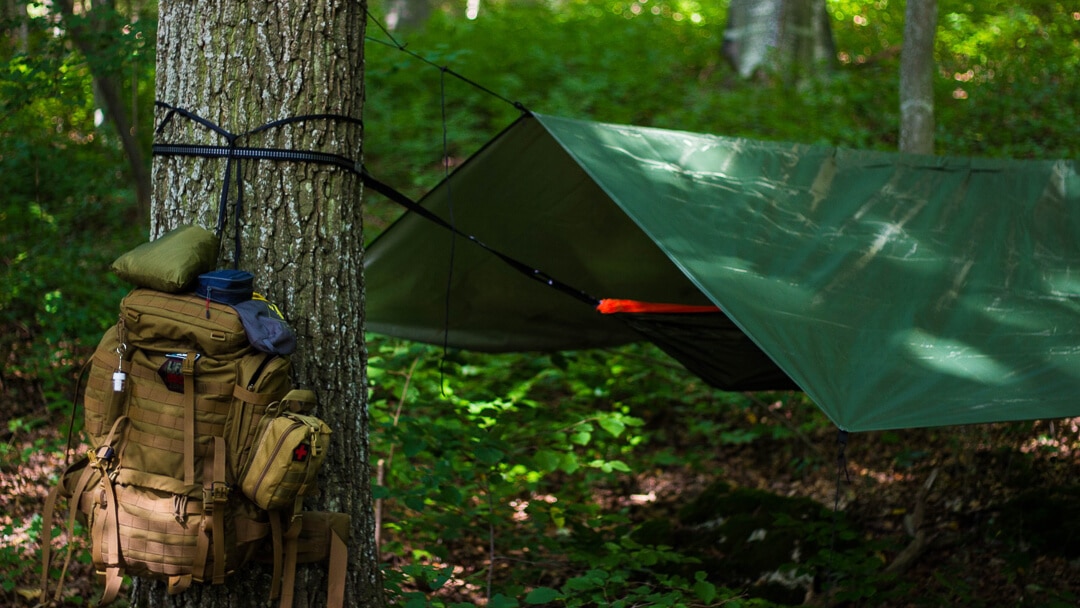
True wild camping is walking to a destination with your tent and everything you need on your back. To stay in any spot you need to either get permission from the landowner or find an area designated for wild camping and stay for no more than two consecutive nights, setting up your tent out of sight and leaving nothing behind except your footprints (and maybe the slight imprint of your tent).
Wild camping in England and Wales is illegal due to the trespass ruling. All land in England and Wales is owned and you have no right to pitch a tent, hammock, tarp or bivvy bag, (let alone a motorhome) unless you have permission from the landowner.
Wild camping in Scotland is legal under the Scottish Outdoor Access Code. Camping is allowed in unenclosed areas, although due to overuse in Loch Lomond and the Trossachs National Parks you have to apply for a wild camping permit or use a designated campsite. Be aware, the Outdoor Access Code does not include motor vehicles, which means wild camping in a motorhome, caravan or any other vehicle is still illegal in Scotland.
Finding a spot in a motorhome

So what if you want to get away from the hustle and bustle of campsites, enjoy the quiet beauty spots and starry night skies, but you are in a motorhome, campervan or other form of motor vehicle?
True wild camping is illegal for you, however, some places will allow you to stay overnight.
Do your research before you go
You can check with the local council if there are any spots where you can pitch up for the night. There are websites, books, like the Brit Stop series, and even Facebook groups that have all the information you need to enjoy a legal overnight stay.
You are always advised to check (or ask the landowner) the rules of wild camping in the area you intend to visit before you go.
Stopovers
A great choice for motorhomes and other vehicles is stopovers. These are on privately owned land that the owners permit overnight stays on. You’ll often find pubs with car parks doing this or even some farms.
The general rule for pub stopovers is to phone ahead to check they have space and book a table for food and drinks. For many, this is enough for payment, but others may also charge a small fee.
You are usually only permitted to stay one night and then move on.
Apps and websites for finding motorhome wild camping
Search for Sites
This is a fantastic website for finding UK stopovers. Many locations have a photo and a review. There is a small yearly subscription cost.
Park 4 Night
This app and website provides a range of car parks, stopovers and approved motorhome spots, including waste disposal areas. It is also free to join!
Cool Camping
This site is great for finding “almost wild camping” – which is as close as you can get in the UK. Small sites you can use for an overnight stay. You’ll have to go onto each campsite listing to see whether motorhomes and other vehicles are allowed though.
Pitchup
Pitchup includes a wide variety of motorhome stops. You can also find lots of information about local walks, events and attractions to fill your days with.
UK Motorhomes
This site is a directory of officially recognised overnight parking in the UK and Ireland. We advise always getting in touch with locations beforehand in case their details have changed or they are no longer accepting overnight stays.
Camper Contact
A great website and app for finding motorhome stopovers in the UK and Ireland. You can download the app for free with the choice to purchase a membership for extra functionality.
Planning for a wild camping motorhome experience
With freedom from people comes a lack of amenities and facilities. That means you’ll need to plan ahead to make sure you’re fully prepared.
Supplies
You’ll need to make sure you have enough food to last for your trip, plus extra! The good thing about motorhoming is that you don’t need to carry all your equipment on your back, which means you’re free to overpack a little if it makes you feel more prepared.
Although, keep in mind one of the fundamentals of wild camping is to go out with only the essentials you need for your stay and to leave little luxuries behind for a while.
When hiring from us, you’ll get all the motorhome essentials you should need. This includes levelling ramps, kitchenware, basic cleaning supplies, first aid kit, electric cable, water hose and more.
Most importantly, make sure you have enough fuel to get back before you go driving into the wilderness.
Water
Know how much water your motorhome carries and how long this will last you. You’ll need to consider drinking water, hand washing, toilet trips, showers and washing up.
The fresh water tank in a motorhome is typically around 100 litres, which equals around 40 minutes of running water from a tap on full. If you’re frugal this can last a few days, but just be realistic with yourself.
You can also store a jerry can full of water in the garage if you think you’ll need extra during your trip.
Waste
Make sure you consider your bathroom situation. All our hire motorhomes have toilets, sinks and showers, so keep in mind that all your waste water will add up and eventually you’ll need to empty. Waste water, known as grey water, is separate to your toilet waste, which you’ll find in the toilet cassette.
You must empty your toilet cassette and grey water in a sanitary and responsible place. This may mean venturing to a campsite where you can dispose of it properly, before venturing back out again. You can use Park4night and other apps to find designated motorhome service areas for disposing of waste.
The grey water tanks on our motorhomes are also around 100 litres in capacity, and usually the same size as the fresh water tank. This means when you’re out of fresh water you’ll need to empty the waste tank.
The grey water should be emptied into a rain drain or somewhere appropriate. It is frowned upon to empty your grey water on the side of the road or simply onto the ground. The grey water will likely contain food waste from washing up, soap from showering and washing up and saliva from cleaning teeth. So, be considerate and plan before emptying any waste water.
We recommend emptying and re-prepping the toilet cassette before each journey if possible. We won’t go into too many details here, but driving with a full cassette involves a lot of sloshing. Not something you want to be cleaning up.
Depending on how often you need to go, your toilet cassette should last a few days before needing to be emptied.
The toilet cassette waste is considered to be sewage and thus must be disposed of into a toilet, sewer or designated chemical waste point for motorhomes.
If you are opting to not use the motorhome toilet and go… wild, you will need to think about how you will dispose of the tissues, as these cannot be left behind. Please remember that all waste, including urine, must be at least 100m away from any water source.
Power
There is no stray electricity in the wild, so keep in mind how much power you’re using. Don’t waste it on keeping the lights on for hours or plugging in electronics.
The batteries in our motorhomes could last anywhere from 3 days to 3 weeks depending on use. The water pump and heating system fan use more electricity than you’d think, which is another reason to be frugal with water use.
The leisure and starter batteries charge whilst driving on most of our models, which should help your 12v electric last longer.
Remember, the 3 pin electric sockets in a motorhome will not work unless you are hooked up to electricity. If you take an inverter with you that converts 12v up to 240v this will drain the battery on the motorhome very quickly. If you must have use of a 3 pin appliance we recommend you stick to sites with electric hook up points.
Cooking and fires
Before making a fire in your wild camping spot, please make sure you have the land owner’s permission. Some areas will allow small fires, but many won’t. A stray ember is enough to spark a devastating wildfire during hot seasons.
If you are allowed, make sure to keep the fire off the ground and ensure that there are no scorch marks.
When cooking with gas, keep an eye on how much you’re using, particularly if you also use the heating and hot water systems inside the motorhome.
We provide two gas bottles on each hire motorhome, one part used and one full. If you’re using heating and hot water in colder months, this should last 2 or 3 days. In warmer months with less hot water and no heating, this could last several weeks.
Motorhomes are not off-road vehicles
If a road doesn’t look safe, don’t risk it. The last thing you want is to be stuck down a lane in the middle of nowhere, trust us. Better to take the long way around and enjoy the sites along the way!
Safety
Although spontaneity is part of the charm of a wild camping adventure, please always remember to tell someone where you’re going or where you are once you’ve parked up.
Keep your doors locked, especially when you’re asleep, and don’t post your whereabouts on social media until after you’ve left.
The wild camping code
Leave no trace
Don’t leave rubbish or waste. Your found spot should be left exactly how you found it.
Arrive late, leave early
The true wild camping style is to spend as little time in your wild spot as you can. Arrive as close to dark as you can and get up at the break of dawn to leave. You should only really stay one night at a wild camping spot.
Don’t get too comfortable
Putting up awnings or using outdoor furniture can make it look like you’re using the wild spot as a campsite – which they are not. It isn’t respectful and we advise you to just avoid doing it.
Keep the noise down
Hopefully, this isn’t one we’ll need to explain, just be mindful of your environment and anyone else around.
Obey local bylaws
This is where your research of local areas comes in handy. In particular, make sure you know if you need a permit to park up anywhere.
Don’t block views or access
Unless you have specific permission to park in any of these areas, don’t block fields, roads, gates or anyone else’s view.
Always be respectful
The key thing is to be respectful of other campers, landowners and the land itself. If you remember that then you should have a wonderful wild camping adventure.
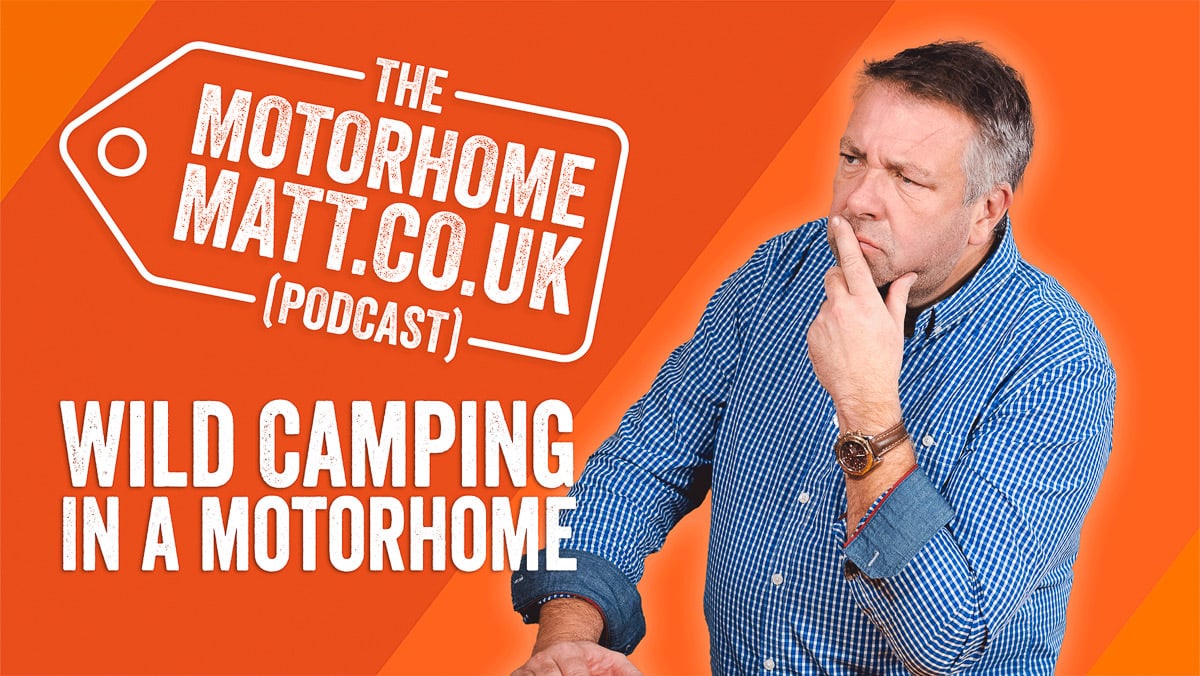
Looking for more Wild Camping advice and tips?
Listen to the Motorhome Matt podcast for expert advice and a glimpse behind the scenes of the UK’s motorhome and travel industry.
Booking a motorhome for a wild camping adventure?
If you have any other questions on finding secluded camping spots or living off-grid, then don’t hesitate to get in touch.
Check your dates or find out more about how we can give you a great motorhome experience by sending us an enquiry.
+44 (0)117 290 9000
team@motorhomeholidaycompany.com
A370, Hewish, Bristol, BS24 6RT
The Motorhome Holiday Company; your (wild) adventure starts here.